A strong drainage system protects land from storm damage and soil loss. Many properties face runoff issues that worsen each season due to poor water management. A correctly installed culvert directs that flow into a safe path and keeps the ground steady. This protection gives homeowners and site managers fewer drainage worries and more long-term stability.
Culvert Function in Water Management
A culvert guides water through a defined channel that moves beneath a surface path. This structure reduces the spread of uncontrolled runoff that weakens the ground layers. This setup also helps properties avoid washouts during heavy storms. This approach supports safer movement around roads, paths, and driveways.
How Culverts Direct Water Flow
A culvert provides a clear passage for stormwater beneath driveways, roads, or trails. This design protects the surface from erosion and keeps access routes safe during heavy rain. A culvert also limits side flow, which can damage nearby soil and plants. This structure reduces turbulence by guiding water smoothly through a uniform pipe. This controlled movement prevents water from pooling near foundations or walkways. This steady flow keeps the landscape stable for more extended periods.
When Properties Need Culvert Installation
A property needs a culvert when water collects in low areas or when it crosses drive paths during storms. This situation often appears on rural land, steep lots, or commercial sites near natural drainage channels. A culvert helps these areas move water without losing soil or access to it. This control supports safe vehicle travel across wet zones. This setup also improves site drainage where shallow ditches can’t carry enough water. This upgrade becomes useful in places with frequent seasonal rain.
How Directed Water Reduces Soil Loss
A directed water path prevents fast-moving runoff from spreading across open ground. This spread often strips away topsoil that supports plants and structures. A culvert keeps water in a confined channel, reducing pressure on loose soil. This method stops erosion from widening over time. This structure also prevents deep cuts that form when water finds weak points. This reduced soil loss helps properties remain stable during harsh weather.
Key Culvert Installation Practices
Proper culvert installation starts with accurate sizing, correct placement, and strong bedding. This early planning shapes how well the system handles stormwater over the years. This focus on detail lowers future repair needs and reduces flood risk. This foundation gives the system dependable strength.
Selecting Correct Culvert Size and Material
A culvert must match the expected flow volume for steady performance. This choice prevents water from backing up or spilling over the surface. A pipe that is too small traps debris, increasing the risk of flooding. This design issue causes overflow during intense storms. A pipe that is too large wastes cost and space, but still works less efficiently. A well-matched size and material selection creates a balanced drainage system that resists wear and pressure.
Setting Proper Grade and Alignment
A proper grade allows water to move freely through the entire length of the pipe. This slope should be steady enough to prevent buildup without speeding the flow too much. A steep grade creates rapid discharge that cuts into the soil near the outlet. This erosion undermines nearby areas and weakens the structure. A flat grade slows water and encourages clogs. A well-aligned culvert follows the natural channel, allowing water to flow smoothly without creating new runoff paths.
Compacting Backfill Around the Culvert
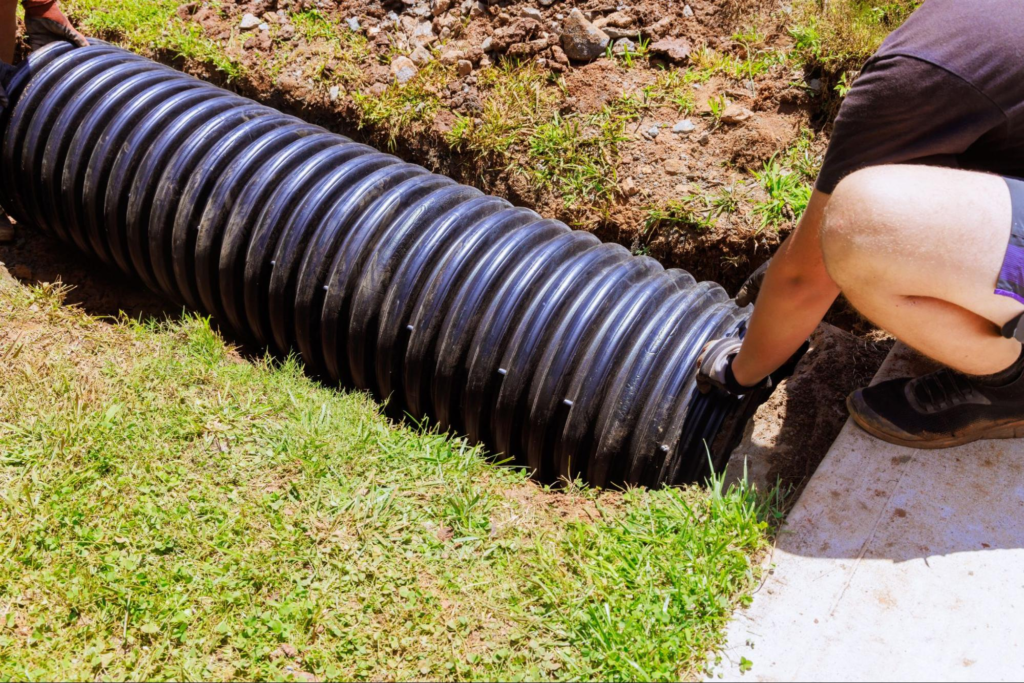
Strong backfill support keeps the culvert from bending or sinking under pressure. This support maintains the pipe’s shape during storms and heavy loads. Loose soil shifts over time, creating gaps that damage the structure. This movement often leads to pipe distortion and weakened flow. Reliable compaction protects the culvert from external stress. This method keeps the installation stable for many years.
Adding End Sections for Smooth Water Entry
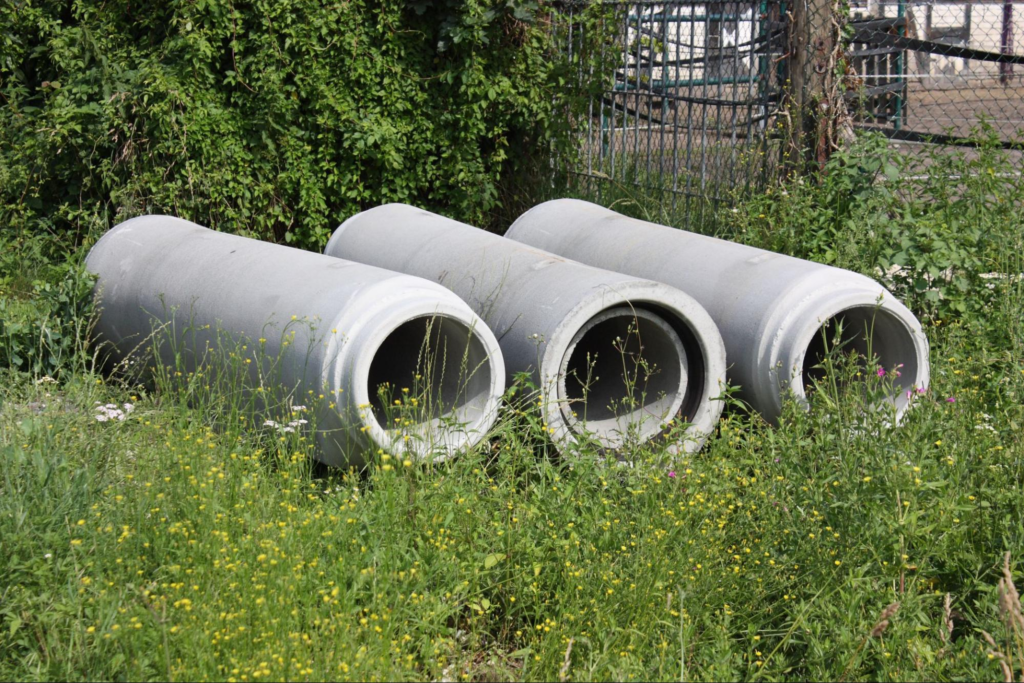
End sections guide water into the culvert without sharp drops or turbulence. This protection reduces debris jams and improves inlet performance. End sections also shield the soil around the pipe opening from washouts. This protection helps maintain stable edges near roads and slopes. These components also reduce inlet erosion during intense storms. This simple addition increases the lifespan of the entire system.
Culvert Placement and Flooding Control
Correct culvert placement helps water reach safe discharge points without overflowing onto driveways or yards. This positioning supports natural drainage rather than forcing water into new paths. This harmony reduces upstream flooding concerns. This setup protects nearby property features.
Reducing Water Backups During Storms
A culvert placed at the correct height collects water as the flow rises. This placement prevents water from jumping the path and spreading across the surface. A pipe set too low traps sediment and slows flow. This clogging creates upstream pooling and erosion. A culvert set too high fails to capture small flows, allowing water to scatter. A well-placed culvert balances these elements to support steady drainage during heavy rain.
Supporting Natural Drainage Movement
A culvert should follow the direction water already chooses on its own. This approach keeps runoff in patterns that the land can handle safely. A forced redirection often increases erosion and deepens weak areas. This instability leads to more property repair needs. A culvert placed in the natural line keeps the flow predictable. This stability benefits nearby structures and soil layers.
Erosion Control Through Culvert Design
Culvert design matters because it shapes how water leaves the pipe and interacts with the surrounding soil. This control stops erosion from spreading near the outlet. This careful planning protects the land from deep cuts. This strategy improves long-term drainage performance.
Controlling Outlet Speed and Impact
Water exits a culvert faster than it enters due to pressure and pipe shape. This increased speed can carve deep ruts at the outlet. A designer slows this flow with aprons, stone, or vegetation. This approach reduces impact on exposed soil and limits washouts. These protective features prevent channels from widening each season. This slower discharge supports a safer landscape.
Strengthening Soil With Stabilizers
Stabilizing materials keep soil in place near culvert openings. This category includes riprap, turf mats, and reinforced plantings. These elements absorb water pressure and reduce soil movement. This protection becomes important during repeated storms. These soil reinforcements guard slopes and ditches from erosion. This reinforced area also reduces sediment entering downstream systems.
Improving Inlet Stability With Grade Control
A smooth grade at the inlet guides water gently into the culvert. This adjustment decreases the chance of soil carving along steep edges. A sharp drop often creates turbulence that pulls soil into the pipe. This movement increases the risk of clogging and weakens the ground around the opening. A controlled grade reduces these problems and keeps the inlet clear. This stability also decreases long-term repair needs.
Long-Term Culvert Maintenance
Routine maintenance keeps culvert systems clear, stable, and ready for seasonal storms. This care stops minor issues from evolving into drainage failures. This simple approach protects nearby property. This commitment supports long-lasting performance.
Seasonal Inspection Practices
Inspections after intense storms help crews catch early signs of trouble. This process includes debris buildup, soil shifts, or inlet wear. Water movement often exposes the first hints of structural stress. This early insight guides minor adjustments before damage spreads. Staff check grade alignment and soil depth for stability. This routine helps prevent culvert failures.
Clearing Blockages and Restoring Flow
Debris often collects at culvert inlets, restricting water entry. This blockage slows flow and encourages erosion near the pipe. Clearing the inlet returns the system to full capacity. This maintenance also protects the outlet from added pressure. Routine cleaning lowers flood risk in heavy rain. This simple service keeps drainage systems dependable.
Monitoring Soil Support Areas
Soil around the culvert shifts as seasons change. This shift may expose parts of the pipe or create weak points. Maintenance crews add soil to fill gaps. This rebuild strengthens the culvert’s support zone. A stable support layer improves system performance. This practice reduces trouble during long storm periods.
Culvert Installation for Flood Control Action
Strong culvert systems defend property from stormwater hazards. This protection grows more valuable as rainfall patterns shift each year. This upgrade supports long-term land stability. This step strengthens both safety and drainage.
Protecting Property With Better Drainage
Correct culvert installation keeps water on a controlled path. This protection stops flooding near buildings, yards, and driveways. Strong water guidance also limits soil loss during storms, helping landscapes remain firm and usable. Homes and commercial sites benefit from fewer drainage repairs. This improvement supports safer conditions during wet seasons.
Why Upgrading Old Culverts Matters
Aging culverts clog, crack, and shift under pressure. This weak performance raises flood risk and drainage failures. Upgrading the pipe restores full flow capacity. This increase in strength helps the system handle brutal storms. Better materials add many years of protection. This investment shields property from costly erosion.
How Expert Installers Improve Reliability
Skilled teams understand how local terrain affects drainage. This knowledge guides each design to match the natural flow pattern. Experienced installers also catch issues that less-trained workers miss. This attention to detail prevents costly mistakes. Strong installation practices reduce the need for later maintenance. This reliability helps property owners feel confident in the system.
Invest in Smarter Culvert Solutions Today
Strong drainage choices shape how well your property withstands growing storm pressures, shifting soil, and routine landscape use. A well-built culvert guides water with precision and supports the landscaping services that keep your outdoor spaces stable and functional. When you upgrade failing systems or improve poor drainage, you protect the ground your landscape depends on and reduce erosion across the site. Smarter culvert solutions give you reliable control during harsh weather and create a safer foundation for every landscaping plan that follows.
Gain a deeper understanding of smart land management by browsing the Brady Landscaping & Construction blog, where practical solutions meet real experience.