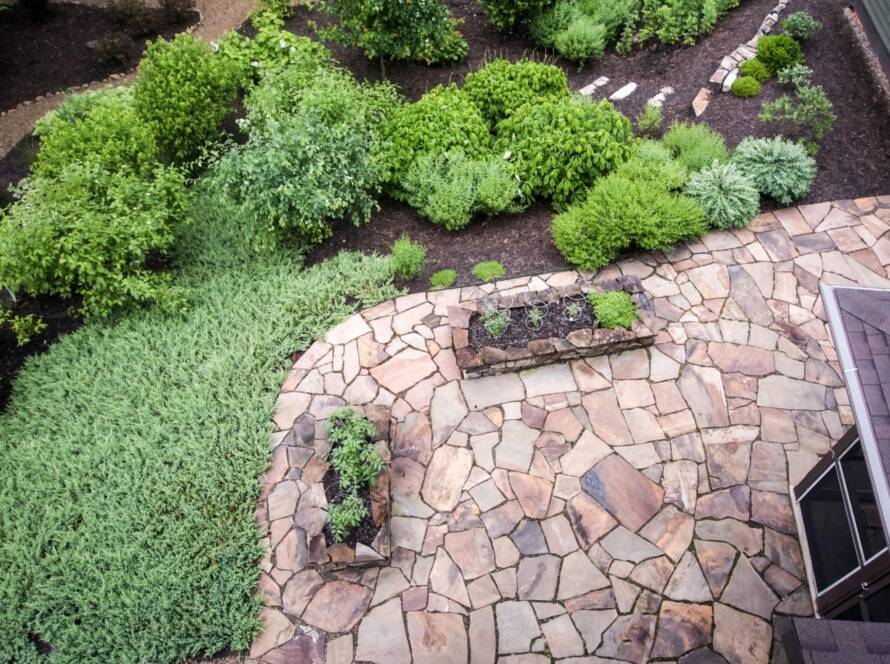
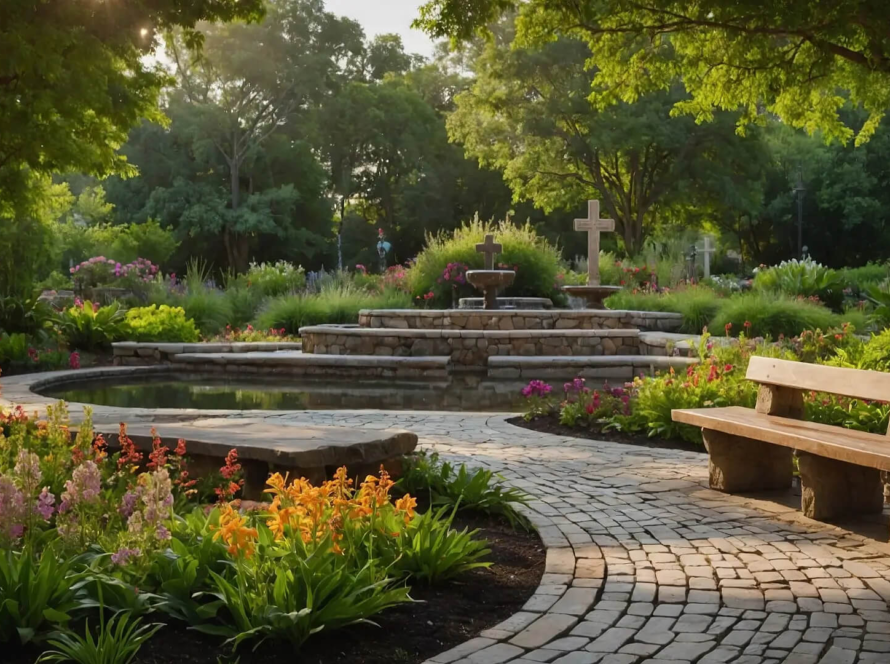
Modern yards aren’t one-size-fits-all, and neither are the surfaces that shape them. With concrete pavers, you can dial in color, texture, and pattern to match architecture from mid-century minimal to rustic craftsman. Running bond reads sleek, herringbone adds energy, and large-format slabs calm the eye for contemporary patios. Borders, inlays, and banding turn utilitarian square footage into a custom design move that frames planting beds and hardscaping with intention.
Concrete Pavers are Engineered for Tough Conditions
Outdoor surfaces live hard lives under UV, foot traffic, furniture, and freeze-thaw cycles. Interlocking concrete pavers distribute loads across many units, resisting cracking that monolithic slabs often show. Because units move subtly with seasonal shifts, joints relieve stress instead of telegraphing long fractures. The result is a surface that wears evenly and stays true under daily use and sudden temperature swings.
Safer, Quieter Walkways Begin When Joints Work With Concrete Pavers
Footing is confidence, and texture helps. Factory-molded faces on concrete pavers provide traction in the rain without feeling abrasive on bare feet. Joints can be set with polymeric sand that locks in place and reduces washout, so grit doesn’t crunch underfoot or migrate into drains. The combination of microtexture and stable joints makes paths friendly for kids, guests, and rolling carts alike.
Reliable Traction
Subtle surface profiles maintain grip in wet conditions while remaining comfortable for everyday use.
Stable Joints
Polymeric sand resists displacement, discourages weeds, and cuts down on maintenance runs.
Repairs Stay Simple Because Concrete Pavers Are Modular
When a buried line needs access or a corner takes damage, modularity saves the day. You can lift individual concrete pavers, address the issue, and re-lay them without saw cuts or patch colors that never match. This surgical approach keeps surfaces uniform over time and avoids the “scar tissue” look common to poured slabs. Maintenance becomes precise rather than disruptive.
Outdoor Living Zones Read Clearer With Concrete Pavers as a Visual Language
Good hardscape tells people where to stand, dine, and linger. Pattern changes and contrasting borders in concrete pavers quietly define zones for grilling, seating, and play without the need for fences or walls. Subtle shifts in color lead the eye from driveway to entry or from deck to firepit. Wayfinding feels designed, not dictated, which is the hallmark of inviting outdoor rooms.
Pattern as a Cue
Switching from basketweave to running bond signals a change in use—no signs required.
Borders That Guide
A darker band around a patio edges furniture groupings and frames plantings for crisp transitions.
Permeable Options in Concrete Pavers Support Drainage and Codes
Stormwater rules are tightening, and yards still need to breathe. Permeable concrete pavers use open-graded base layers and spacer lugs to let water infiltrate rather than sheet across the surface. That reduces puddles, protects foundations, and can ease pressure on municipal systems. In many communities, permeable systems also help projects comply with runoff requirements without sacrificing aesthetics.
From Budget to Premium Finishes, Concrete Pavers Meet Your Plan
Cost control isn’t about picking the cheapest option; it’s about choosing predictable value. Concrete pavers span price tiers—from utility units for side yards to premium, wet-cast pieces that mimic natural stone. Because installation scales by square footage and detail complexity, you can phase projects without compromising the final look. Upgrading a border later or extending a path feels seamless because color families and formats remain available.
Concrete Paver Climate Readiness
Weather swings challenge any exterior surface. Concrete pavers handle freeze-thaw by allowing joints to flex, and de-icing salts are less likely to create spalls when maintenance follows best practices. In hot climates, lighter colors and textured faces reflect the sun and stay more comfortable to the touch. With thoughtful selection and base preparation, the system adapts to local conditions rather than fighting them.
Concrete Pavers Make Lighting and Accessories Easier to Integrate
Great patios aren’t just flat; they’re outfitted. Low-voltage lights, seat walls, and planters nestle cleanly into concrete paver layouts because unit sizes and joint spacing are predictable. Conduit runs can be planned under the base course, and fixtures mount flush for trip-free edges. The result is an outdoor space that feels integrated, not retrofitted, when the sun goes down.
Low-Voltage Ready
Preplanned chases under the field make pathway and step lights straightforward to install and maintain.
Clean Transitions
Consistent dimensions allow tight interfaces with grills, posts, and edging for tailored results.
What Pros Do With Concrete Pavers
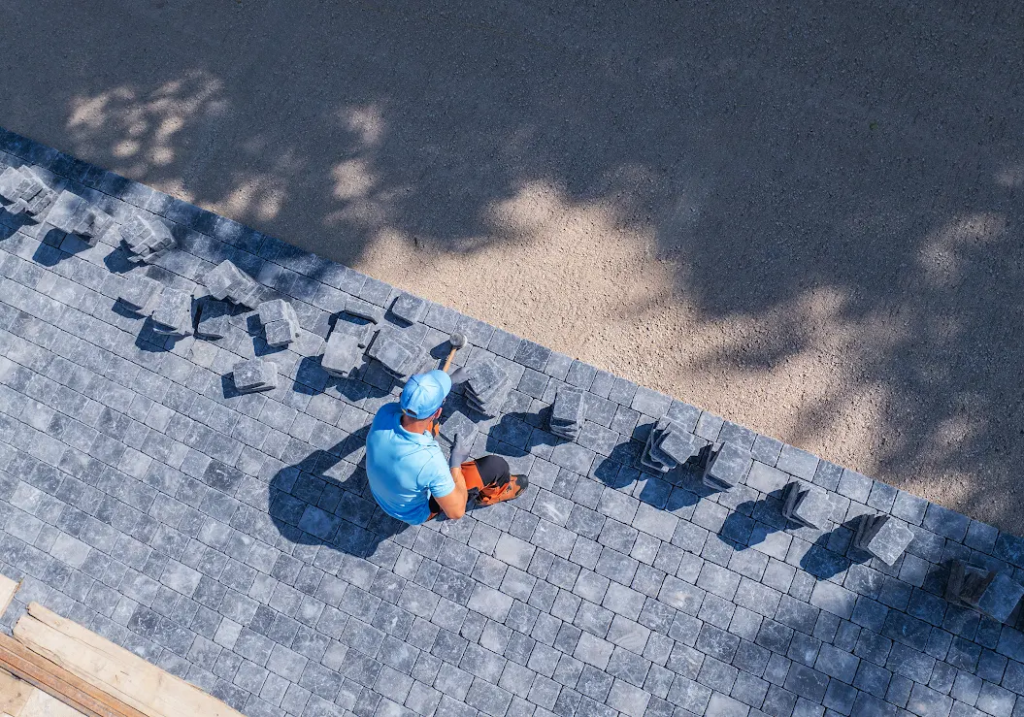
Even excellent materials fail without a proper foundation. Professionals excavate to the correct depth, compact base layers to spec, and screed bedding sand so pavers sit flat and drain. Edge restraints prevent migration, and plates with pads compact the field without scuffing the surface. This disciplined process keeps lines straight, joints tight, and the finished grade aligned with doors and drainage.
Design Choices That Shine With Concrete Pavers
Subtle, blended colors hide dust and pollen, while pronounced bevels cast lively shadows in morning and evening light. Larger formats calm busy landscapes; smaller modules add rhythm where plantings are minimal. Mixing textures—smooth for dining, tumbled near plant beds—creates layers without introducing a new material. Concrete pavers give you a broad palette to compose with real design intent.
Long-Term Concrete Paver Care Is Straightforward
Good habits keep the finish fresh. Occasional rinses and re-sweeping polymeric sand maintain joint integrity and discourage weeds. Sealers can enhance color or add stain resistance near grills, and spot cleaning addresses tire marks or rust. Because surfaces are sectional, upkeep targets only what needs attention, saving both time and materials.
Seasonal Touchups
A light wash and quick sand check after winter or heavy pollen keeps the field stable and tidy.
Targeted Protection
Selective sealing in high-use zones resists spills without committing the entire patio.
Projects Featuring Concrete Pavers Accrue Resale Benefits
Buyers read clean, well-planned hardscapes as signs of broader care. Concrete pavers photograph beautifully and show well during evening tours when lighting grazes textures. Appraisers note durable materials and defined outdoor rooms that extend living space. Even if a sale is far off, the day-to-day satisfaction is immediate each time you step outside.
Modern Outdoor Living Thrives on Concrete Pavers
When a surface must be beautiful, adaptable, and easy to live with, modular units check all the boxes. Concrete pavers turn driveways into welcomes, paths into invitations, and patios into destinations that evolve with your life. Their resilience and repairability keep value compounding long after installation day. The modern yard isn’t built once—it’s curated over time, and this system is designed for precisely that.
Visit our Brady Landscaping & Construction blog to learn more about how pavers fit the modern outdoor lifestyle.