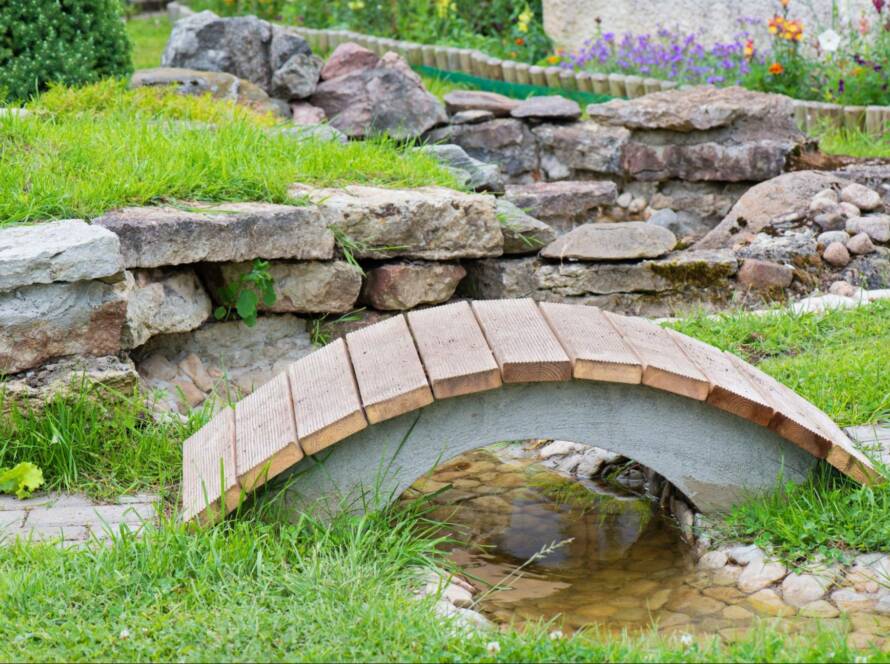
When heavy rain falls, water looks for the fastest path downhill. Without a designed route, it scours soil, undermines roads, and pools in low areas that were never meant to hold it. Culverts are the quiet structures that carry runoff under roads, driveways, trails, and rail beds, so water keeps moving without tearing the landscape apart. Sized correctly and placed with care, they protect property, reduce maintenance headaches, and keep communities connected when storms arrive.
Culverts are the Hidden Infrastructure that Direct Flow
A culvert is simply a passage beneath an embankment, but its job is anything but simple. Conveying water across a barrier preserves the natural drainage pattern while supporting the structure above. When culverts are aligned with existing channels and set at the proper elevation, they pass peak flows without backing water up on one side or blasting out the other. The payoff is fewer washouts, less shoulder erosion, and a stable roadway or driveway that stays open when it matters.
Flood Prevention of Culverts During Major Storms
Flood risk spikes when the volume of water exceeds a surface’s capacity to absorb or a ditch’s capacity to carry. Culverts expand that capacity by providing a controlled tunnel for stormwater, preventing it from overtopping embankments and carving new, destructive paths. Properly sized culverts handle design storms by maintaining flow velocity within safe limits, moving water through instead of allowing it to stack up and overrun a crossing. That stability reduces emergency closures and the costly repairs that come with them.
Culverts for Erosion Control at Inlets and Outlets
Erosion often begins where fast water meets vulnerable soil. At the inlet, a well-graded approach, stone armoring, and a clear, trash-resistant opening keep flows orderly. At the outlet, energy must be dissipated so that water reenters the channel without excavating a crater or undermining the banks. The culvert becomes a bridge, not a battering ram.
Energy Dissipation Matters
Rock aprons, impact basins, or stilling areas break the jet of water leaving a culvert. Reducing the outlet velocity prevents scour before it starts.
Stable Soils Start With Filtration
Underlayment fabric or a graded gravel layer beneath riprap keeps fine particles from washing out. A stable base keeps stone armor from sinking and unraveling.
Materials, Shapes, and Culverts Sizing Choices
Culverts are available in corrugated metal, reinforced concrete, high-density polyethylene, and other durable plastics, each with trade-offs in strength, longevity, and installation speed. Round pipes are standard for smaller flows; box culverts and arches handle wider channels or limited cover under a roadway. Sizing accounts for watershed area, slope, roughness, debris potential, and acceptable headwater depth. When in doubt, designers model future conditions to avoid building something that today’s storm tolerates but tomorrow’s storms overwhelm.
Round, Box, and Arch Profiles
Circular pipes are efficient for modest crossings; box culverts provide a broad, low profile; arches can preserve more natural streambeds while supporting loads above.
Material Tradeoffs In Practice
Concrete resists fire and UV and carries heavy loads well. Plastics offer smooth interiors and corrosion resistance. Metals excel in strength and are available in long sections for faster placement.
Grade, Alignment, and Habitat of Culverts
Good design follows the water. The culvert should be aligned with the natural channel to minimize turbulence and sediment buildup. Its invert (the bottom) should sit where the bed and bank can remain stable, often with a slight embedment to preserve a natural streambed inside. Where habitat matters, features like baffles or natural substrate within the barrel can maintain flow diversity and fish passage without sacrificing hydraulic performance.
Align With Natural Flow
Straightening or twisting a channel into a culvert invites erosion and clogging. Keeping the crossing in line with the stream reduces maintenance.
Respect Fish and Wildlife
Maintaining low-flow depths and gentle transitions helps aquatic life move through. Design that considers biology reduces long-term impacts.
Culverts Maintenance Plans that Prevent Failures
Even the best culvert needs attention. Leaves, branches, and sediment can block inlets, forcing water to overtop the road. Routine inspection, especially after storms, catches obstructions early and verifies that headwalls, wingwalls, and outlet protection remain intact. A simple maintenance plan saves far more than it costs by preventing washouts and extending the crossing’s life.
Keep Openings Clear
A seasonal check to remove debris, trim brush, and confirm the inlet geometry prevents sudden backups when the first big storm hits.
Watch the Roadway Above
Cracks, settlement, or damp spots in the traveled surface can signal problems below. Early detection turns an emergency repair into scheduled maintenance.
Driveways, Farms, and Commercial Culvert Sites
Beyond highways, culverts protect private roads, farm lanes, and commercial entrances that cross drainage paths. For driveways, an undersized pipe quickly becomes a headache as rills form and gravel washes away. On agricultural land, culverts preserve field access during wet periods and prevent equipment from cutting new channels. In commercial areas, they keep parking lots from flooding and maintain safe, dry access for customers and deliveries.
Climate Resilience Provided by Culverts for the Coming Decades
Rainfall patterns are shifting in many regions, with heavier downpours concentrated into shorter windows. Upgrading culverts during routine roadwork or redevelopment builds resilience into the network. Designers can consider larger diameters, twin barrels, or improved inlet structures to handle increased peak flows. Paired with upstream practices like detention and infiltration, those choices reduce downstream flooding and keep crossings serviceable under more intense conditions.

Culverts Warning Signs Homeowners Should Watch
Homeowners and property managers can spot early trouble with a quick look after storms. If water is ponding on the upstream side, if the outlet has carved a deep hole, or if sediment piles in the barrel, it’s time to schedule an evaluation. Rust, spalling concrete, or separated joints also deserve attention. Acting early can mean cleaning and minor repairs rather than emergency replacement.
Ponding and Overtopping
Standing water upstream or flowing across the road suggests a blockage or sizing issue. Clearing debris may help, but recurrent problems need design review.
Outlet Scour and Bank Slumps
Steep drop-offs or collapsing banks at the discharge point indicate high energy. Adding rock protection or a stilling feature can stabilize the area.
Costs, Permitting, and Community Benefits of Culverts
Replacing a washed-out crossing costs more than preventive upgrades. Budgeting for appropriately sized culverts and outlet protection reduces life-cycle costs and improves safety. Many jurisdictions require permits for work in or near waterways; following the process protects you from fines and ensures the design meets community standards. Well-designed culverts also improve emergency access and school bus routes, offering benefits that reach beyond a single property.
Culverts for Flood and Erosion Defense
Think of culverts as precision tools: they work best when matched to the job. Choose materials and shapes for your loads and site constraints, size for the watershed you actually have, and protect inlets and outlets so water behaves on both sides. With regular inspections and timely clearing, a culvert can quietly serve for decades—keeping roads open, landscapes stable, and stormwater where it belongs: moving through, not tearing apart.
Visit our Brady Landscaping & Construction blog to learn more about how culverts prevent flooding and erosion damage.